
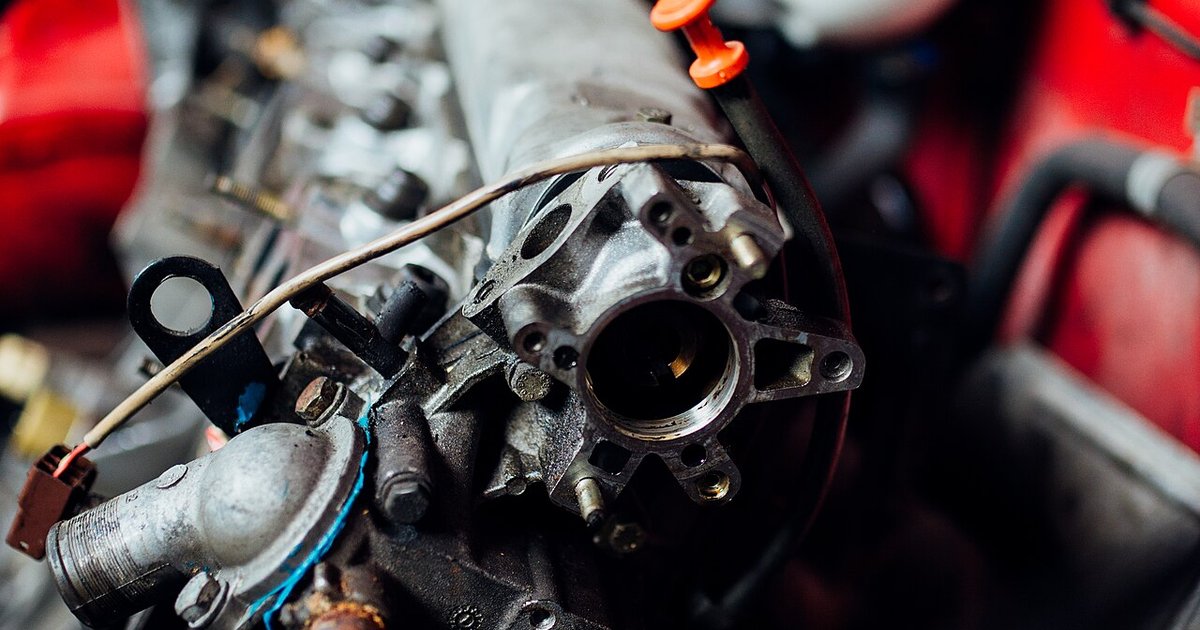
Understanding the basic parts of a car can make routine maintenance conversations with a mechanic far less intimidating. While modern vehicles are complex, most of the essential systems can be explained in plain, everyday terms that any driver can follow.
Beyond these core systems, a car relies on numerous smaller components working together, from belts and hoses that keep fluids and power moving, to sensors that monitor everything from tire pressure to engine temperature. Many dashboard warning lights correspond directly to one of these systems, which is why understanding the basics can help make sense of what a warning light is actually telling you.
Knowing roughly what each part does doesn't require becoming a mechanic, but it does make it easier to describe a problem accurately, ask informed questions during a repair estimate, and recognize when a quoted repair sounds unusual for the symptom described. It can also help with prioritizing maintenance, since some parts, like brakes and tires, directly affect safety, while others mainly affect comfort or convenience.
A basic familiarity with how a car works can turn maintenance visits from a confusing experience into a straightforward conversation, giving owners more confidence in the decisions they make about their vehicle. Over time, this understanding also makes it easier to spot when something feels off, long before a warning light ever appears on the dashboard, and it can make the difference between catching a small issue early and facing a much larger repair later, which is ultimately what good, attentive, long-term ownership is all about over the years.