
A car battery quietly does its job for years until, often without much warning, it doesn't. Understanding what affects battery life and recognizing early warning signs can help drivers avoid being stranded with a car that won't start.
A slow or hesitant engine start is often the earliest sign of a weakening battery, even if the car eventually starts. Dimming headlights or interior lights, especially when idling, can also point to a battery struggling to hold a full charge. Corrosion around the battery terminals, visible as a white or bluish buildup, can interfere with the electrical connection and should be cleaned carefully or checked by a professional.
Many auto parts stores and repair shops offer free battery testing, which can give a clear reading of remaining capacity rather than relying on guesswork. Testing before a battery fully fails is especially useful ahead of extreme weather, when the added strain is most likely to cause a breakdown.
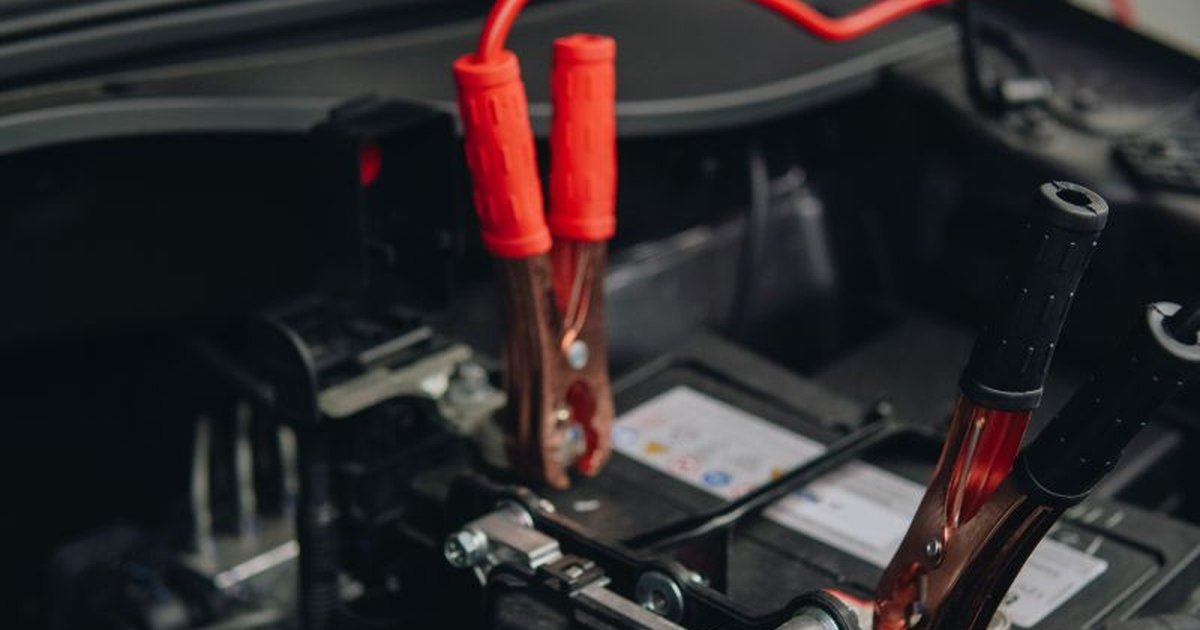
If a car won't start, a jump start using cables or a portable jump starter can often get it running long enough to reach a repair shop. It's worth letting the car run for a while afterward, or taking a longer drive, to give the alternator a chance to recharge the battery. If the car struggles to start again shortly after being jumped, that's usually a sign the battery itself needs to be replaced rather than simply recharged.
A little attention to battery health goes a long way toward avoiding the inconvenience of a dead battery at the worst possible moment. Recognizing the early signs of decline and testing proactively are simple ways to stay ahead of the problem, especially before a long trip or a seasonal temperature swing when the added strain on an aging battery is most likely to cause trouble.