
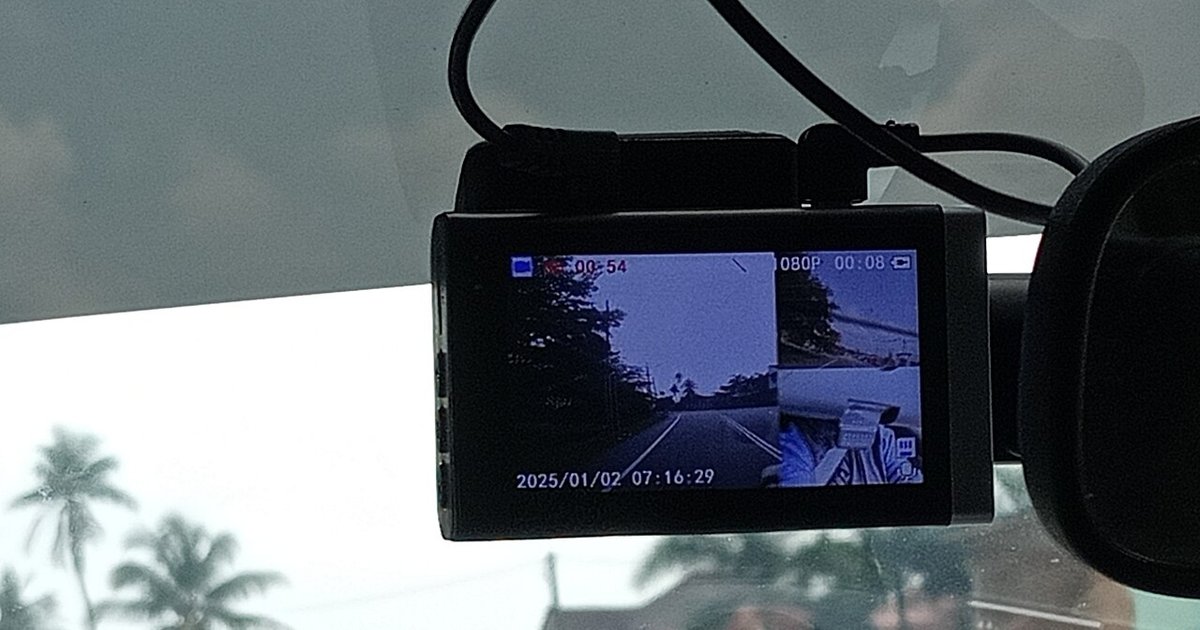
Dash cams have grown from a niche accessory into one of the more commonly installed car add-ons, and for good reason. These small cameras, typically mounted near the windshield, continuously record the road ahead and can provide valuable evidence in the event of an accident or dispute.
The most common reason drivers install a dash cam is protection in the event of an accident. Clear video footage can help establish what actually happened, which is especially valuable in disputes over fault where accounts differ. Insurance companies in some cases also view dash cam footage favorably, as it can speed up claims processing when fault is clearly documented.
Beyond accidents, dash cams can capture unexpected events like vandalism in a parking lot, reckless driving from other vehicles, or even scenic moments during a road trip. Some drivers also use rear-facing cameras in addition to a front-facing one, providing a more complete picture of any incident.
Many newer dash cams include a parking mode that continues monitoring the car even while it's turned off, using motion or impact detection to record any activity nearby. This can be particularly useful for catching hit-and-run incidents or attempted break-ins in a parking lot. Some models also include GPS tracking, which timestamps and geotags footage, adding another layer of useful detail if the recording is ever needed for an insurance claim.
A dash cam is a relatively small investment that can provide significant peace of mind. For many drivers, having objective video evidence readily available is worth far more than the modest cost of the device itself, particularly in the rare but stressful moment when it's actually needed to settle a dispute or support an insurance claim after an unexpected, unwelcome incident somewhere out on the open road.