
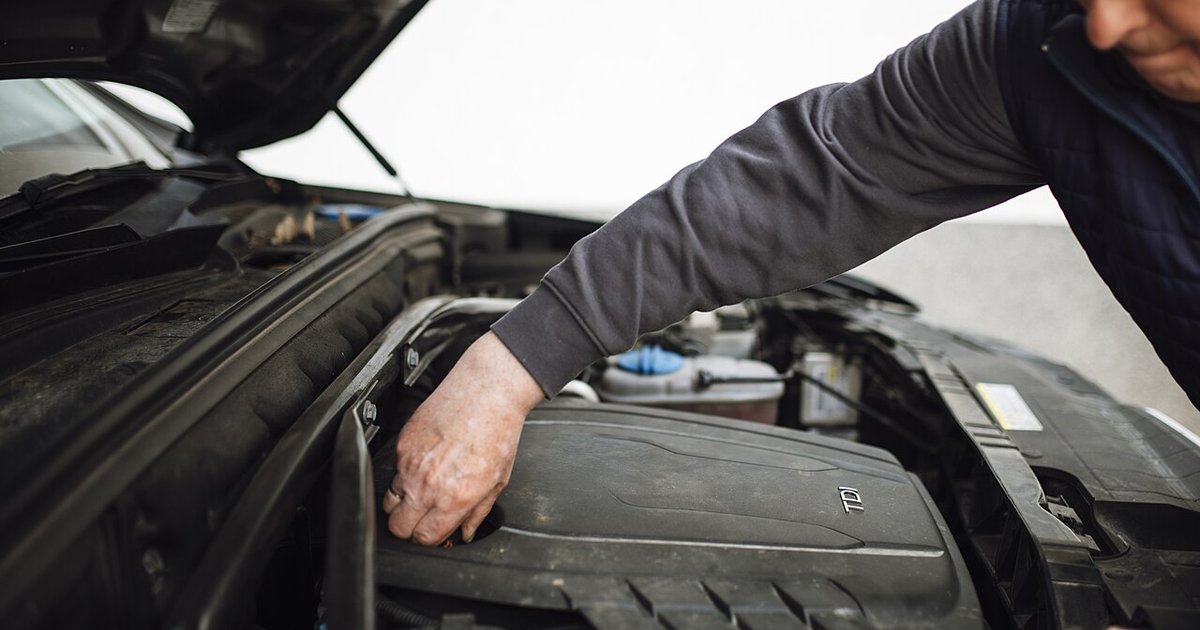
Routine maintenance is one of the most effective ways to avoid costly repairs and keep a vehicle running safely for years. Many of the most damaging car problems don't appear overnight; they build up gradually from small issues that go unchecked. A simple, consistent maintenance routine can catch these problems early.
Beyond monthly checks, certain services follow a mileage or time-based schedule outlined in the owner's manual. Oil changes, air filter replacement, brake inspections, and tire rotations typically fall into this category. Following the manufacturer's recommended intervals — rather than guessing or waiting for a warning light — helps components wear evenly and reduces the risk of a small issue becoming an expensive repair.
It's also worth having a mechanic inspect the brakes, belts, hoses, and battery at least once a year, even if nothing seems obviously wrong. Many components degrade gradually and can fail without much warning once they reach the end of their service life.
A simple maintenance log, whether a notebook kept in the glove box or a note on a phone, makes it far easier to track when a service was last performed and what's coming up next. This becomes especially valuable if a car is sold later, since a documented history reassures buyers and can support a higher resale price. It also helps a mechanic spot patterns, such as a part that keeps failing prematurely, that might otherwise go unnoticed. Many repair shops now offer digital records tied to a vehicle's license plate or VIN, which can serve as a helpful backup if paper receipts are misplaced over the years.
A car that receives consistent, unglamorous maintenance tends to be more reliable, safer, and cheaper to own over time than one that only gets attention after something breaks. Building these checks into a simple routine — rather than treating them as occasional chores — is one of the most practical habits any driver can adopt.