
Deciding between a hybrid, electric, or traditional gas-powered car is one of the most consequential choices in the car-buying process. Each option comes with distinct trade-offs around cost, convenience, and driving habits, and the right answer often depends less on trends and more on how and where a car will actually be driven.
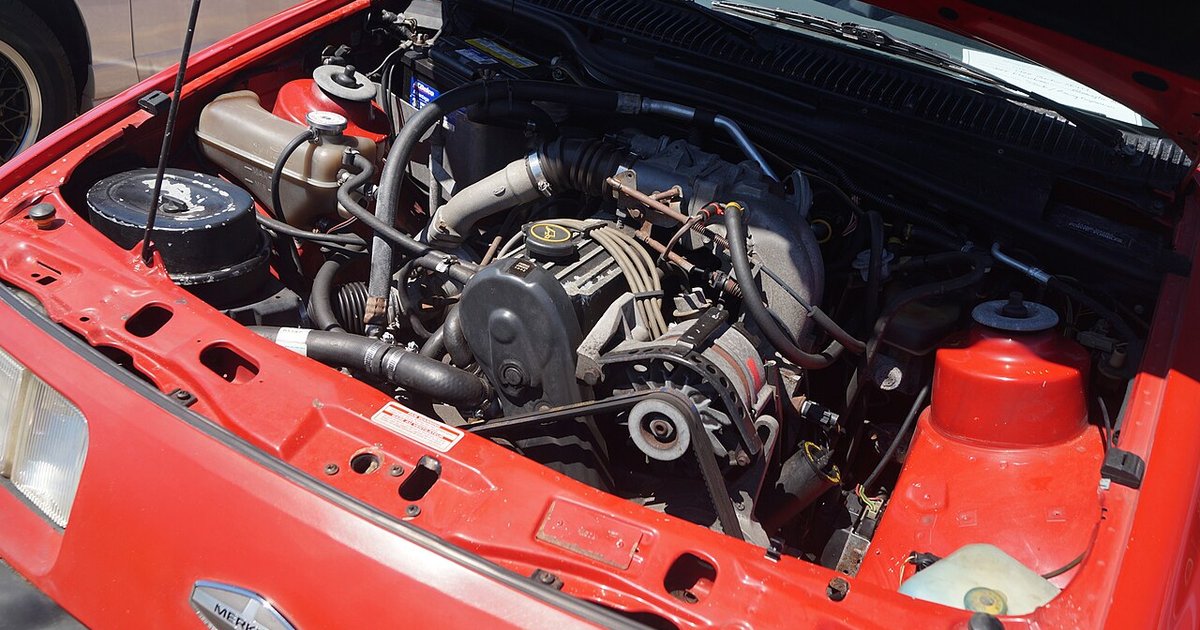
Traditional gasoline engines remain the most familiar option, with widespread refueling infrastructure and generally lower upfront purchase prices. They tend to suit drivers who frequently take long road trips without easy access to charging, or who prioritize a lower initial cost over long-term fuel savings. The trade-off is higher ongoing fuel costs and more routine maintenance, such as oil changes.
City dwellers with short commutes and home charging access often find EVs a natural fit, while drivers who regularly cover long distances in areas with limited charging infrastructure may lean toward hybrids or traditional gas engines. Climate also plays a role, since extreme cold can affect EV range more noticeably than it affects a gas or hybrid vehicle.
Purchase price is only one part of the comparison. Fuel or electricity costs, expected maintenance, insurance, and available tax incentives can all shift the true cost of owning each type of vehicle over several years. A hybrid or EV with a higher sticker price can sometimes work out cheaper overall once lower running costs are factored in, particularly for drivers who put a lot of miles on their vehicle each year.
There isn't a single correct answer for every driver. Thinking honestly about typical trip lengths, access to charging, budget, and how long you plan to keep the car will point toward the option that fits best, rather than simply following whichever technology is currently getting the most attention. Talking to current owners of each type, or renting one for a weekend before buying, can also offer a more realistic sense of what daily life with that engine type actually feels like.