
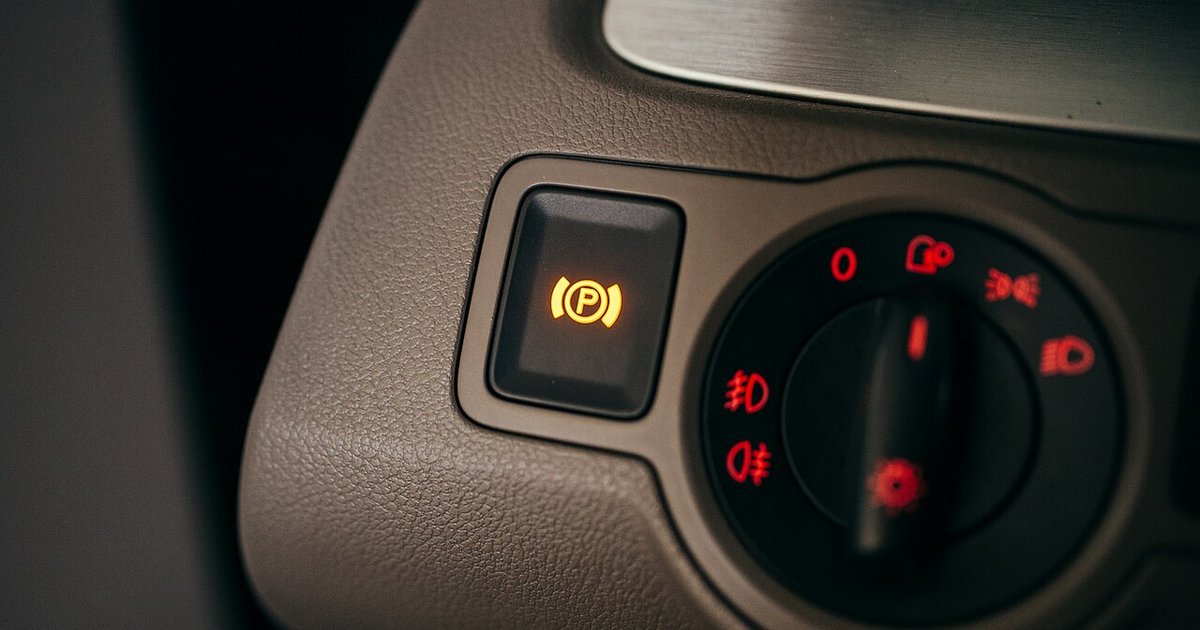
Most car problems give some kind of warning before they become serious. Learning to recognize these early signals can be the difference between a routine repair and a breakdown on the side of the road. While not every noise or light means an emergency, several signs are worth taking seriously right away.
Grinding or squealing when braking often points to worn brake pads that need replacing before they damage the rotors. A knocking sound from the engine, especially under acceleration, can indicate anything from low-quality fuel to a more serious mechanical issue. Vibration through the steering wheel at highway speeds frequently traces back to tire balance or alignment problems, while a burning smell should never be ignored, since it can point to overheating brakes, an oil leak, or an electrical issue.
Changes in how a car handles are equally important. A car that pulls to one side, a spongy or unusually soft brake pedal, or a steering wheel that feels loose are all signs that something in the suspension, steering, or braking system needs professional attention soon rather than later.
Spots underneath a parked car are worth investigating rather than ignoring. Dark, oily puddles often point to an engine oil leak, while a sweet smell paired with a colorful puddle can indicate leaking coolant. A burning smell, especially combined with visible smoke, should prompt pulling over immediately rather than continuing to drive, since it can signal anything from an overheating engine to an electrical short.
It's easy to rationalize away small changes, especially when a car still seems to run fine. But many serious repairs start as minor, fixable issues that become expensive only after being ignored for weeks or months. A quick diagnostic visit is almost always cheaper than waiting for a component to fail completely, and it offers peace of mind that the vehicle is safe to keep driving.
Trusting your instincts about a car that feels or sounds different than usual is rarely a bad idea. Addressing concerns early keeps both repair costs and safety risks as low as possible, and it often means the difference between a routine appointment and an unplanned tow.