
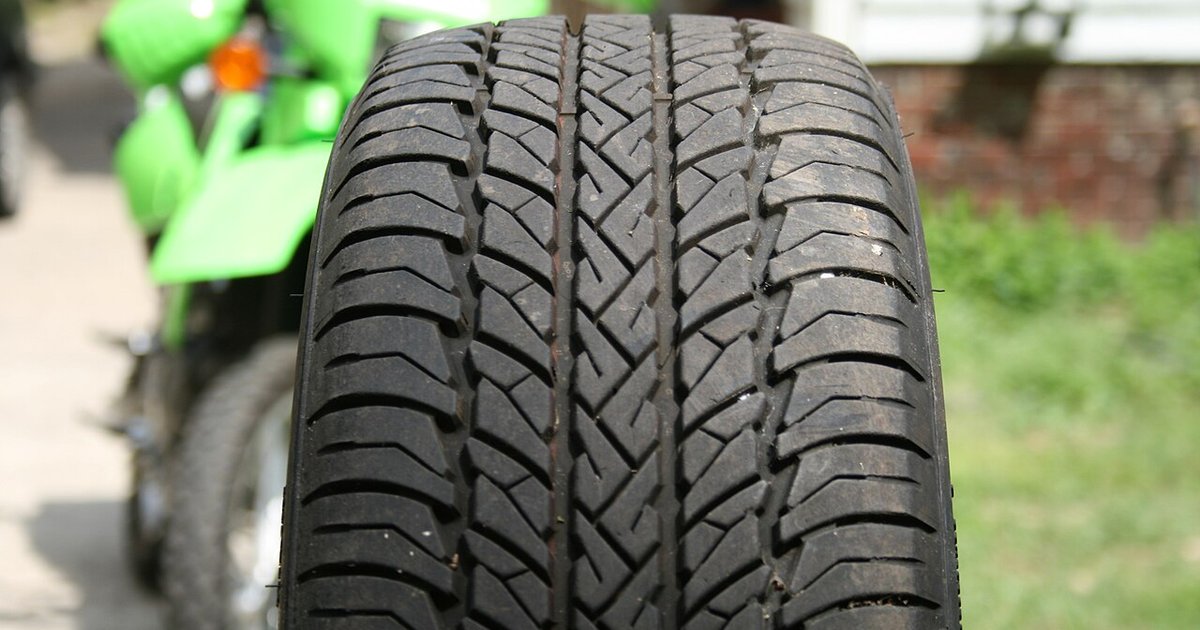
Tires are the only part of a car that actually touches the road, making their condition directly tied to safety, handling, and fuel efficiency. Fortunately, keeping tires in good shape doesn't require much more than a few simple, regular habits.
Tire pressure should be checked at least once a month, along with before any long trip, using a reliable gauge rather than relying on a visual estimate. Underinflated tires wear unevenly, reduce fuel economy, and increase the risk of a blowout, while overinflated tires can reduce grip and create a harsher ride. The correct pressure for a specific vehicle is usually listed on a sticker inside the driver's door, not on the tire itself.
Temperature swings can affect tire pressure noticeably, since air contracts in cold weather and expands in heat. It's common for tire pressure warning lights to appear during the first cold snap of the year even without a leak, simply because the drop in temperature reduced pressure below the recommended level. Checking pressure at the start of each season helps catch this before it becomes a bigger concern, and it's a good opportunity to inspect tread depth at the same time.
Good tire maintenance is one of the simplest and most affordable ways to improve both safety and long-term cost of ownership. A few minutes spent checking pressure and tread on a regular basis can prevent much larger problems, from poor handling in wet conditions to a sudden blowout at highway speed, and it keeps everyday driving noticeably smoother in the process, while also helping tires last as long as they're designed to and reducing the chance of an unexpected, inconvenient roadside delay somewhere further down the line.