
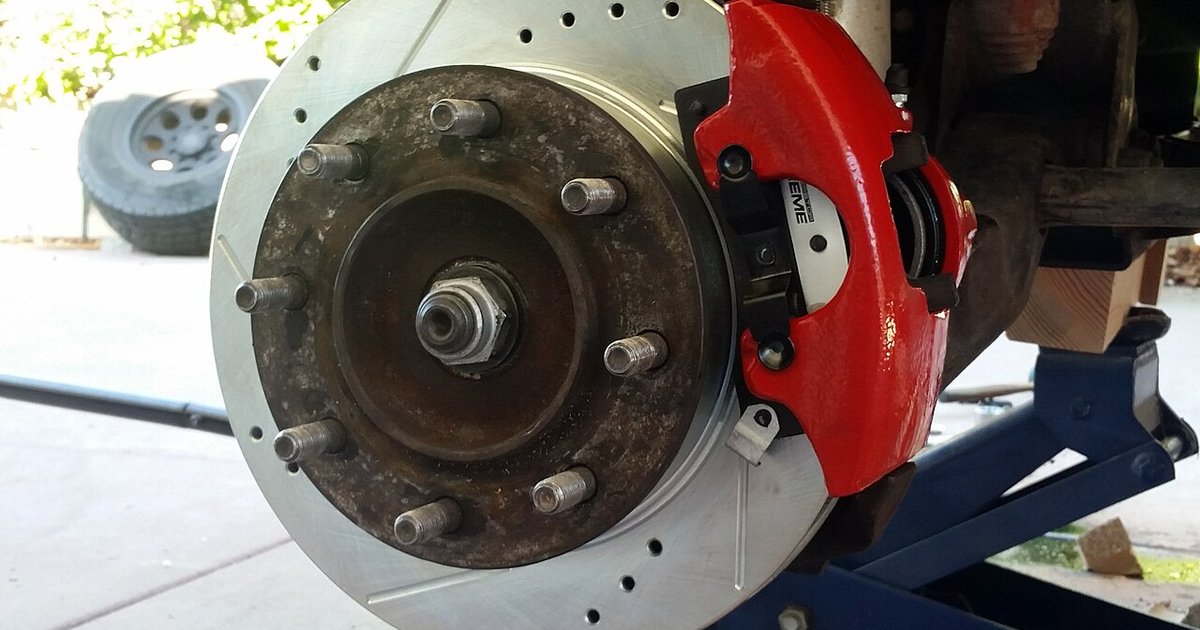
Brake pads are one of the most important safety components on any vehicle, and they wear down gradually through normal use. Knowing the signs that pads are nearing the end of their life helps drivers replace them before braking performance is compromised or more expensive damage occurs.
Replacing brake pads promptly when these signs appear isn't just about safety, though that's the most important reason. Waiting too long often allows the metal backing of the pad to grind against the rotor, causing damage that turns a relatively affordable pad replacement into a more expensive rotor replacement as well. Catching the issue early keeps repair costs lower and the braking system working as designed.
Brake pad wear also isn't always even across all four wheels, so it's worth having a mechanic inspect all of them during routine maintenance rather than assuming a quiet car means everything is fine. Driving habits, such as frequent hard braking or stop-and-go traffic, can accelerate wear on certain pads faster than others.
Most manufacturers recommend having brakes inspected roughly every 10,000 to 15,000 miles, though this can vary based on driving style and conditions. Stop-and-go city driving tends to wear pads faster than steady highway driving, so drivers in heavy traffic areas may need more frequent checks. Having brakes inspected during every routine oil change or tire rotation is a simple way to keep track without needing to schedule a separate visit.
Brake pads are a routine wear item, not a sign of a poorly made car, but they do require attention. Paying attention to the early warning signs keeps braking reliable and helps avoid the larger repair bills that come with waiting too long, while also keeping every drive safer for everyone on the road.