
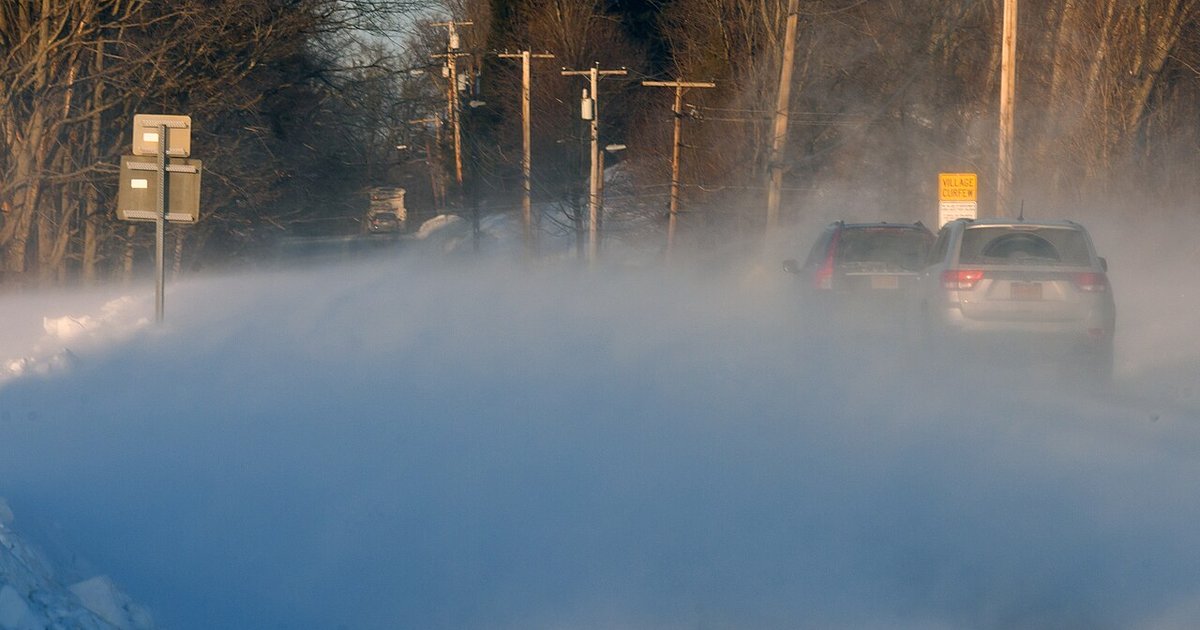
Cold weather puts extra demands on a vehicle, from reduced battery performance to slicker roads that require more caution. Preparing a car for winter ahead of the first freeze helps avoid the most common seasonal breakdowns and makes driving in tough conditions noticeably safer.
Slower speeds and increased following distance matter more in winter than almost any other driving adjustment, since stopping distances increase significantly on snow or ice. Gentle inputs on the accelerator, brakes, and steering help maintain traction, while sudden movements are more likely to cause a skid. If a skid does happen, steering gently in the direction you want the car to go, rather than overcorrecting, is generally the safest response.
It's also worth clearing snow and ice from the entire vehicle, not just the windshield, before driving. Snow left on the roof can slide down and obstruct the windshield while driving, and ice left on lights and mirrors reduces visibility for both the driver and others on the road.
Keeping the fuel tank or battery charge closer to full during winter is a simple habit that adds a safety margin in case of unexpected delays, such as traffic caused by an accident or road closure. It also helps prevent moisture from condensing inside a low fuel tank, which in cold enough conditions can occasionally lead to fuel line issues. Checking weather and road conditions before setting out on longer winter trips gives extra time to delay travel if conditions look hazardous.
Winter driving rewards preparation more than almost any other season. Taking care of a car's mechanical needs and adjusting driving habits for slick conditions makes a meaningful difference in staying safe once temperatures drop, and a little planning ahead of the season goes a long way toward avoiding trouble later.